

johniereiniger
About johniereiniger
Private health insurance is a strategic fallback in the modern NHS environment.
Entry-level plans for younger adults may start at just £25, especially if you opt for guided care networks. It’s a practical solution for those who prioritise wellbeing. The internet continues to evolve, and people adapt by developing flexible strategies shaped by emerging trends.
This approach works well for those who are generally healthy and unlikely to need frequent treatment.
 User feedback now shapes how people interpret information. These tools are especially useful for families who need flexible options without employer support.
For example, The Exeter may reduce your premium if you complete health checks. In today’s system, private health insurance is no longer just a backup.
This ongoing evolution ensures that digital exploration remains dynamic and engaging through constant change.
Being aware of personalization helps people evaluate information more critically. Some insurers also offer healthy lifestyle incentives.
People who learn to navigate the web with clarity and confidence will be better equipped to make smart, informed decisions in an increasingly complex digital world. Markers might include timestamps, categories, tags, or previews.
Recommendation engines highlight potential routes. As a result, identical queries can produce unique outcomes.
Digital advertising influences the entire research journey. Specific clues hint at depth or clarity. Judgment and analysis are key skills for online research.
These approaches evolve as users gain experience and refine their digital instincts through continuous learning.
Some rely on quick scanning, while others read deeply using careful study.
Whether you’re supporting a family, the market offerings makes it more appealing than ever to protect your health. As technology advances, users refine their methods using adaptive habits that help them stay effective in a rapidly changing environment.
Certain markers indicate noise rather than insight. Entry-level plans may start from £40 per month, especially for healthy individuals.
Use Comparison Tools and Incentives
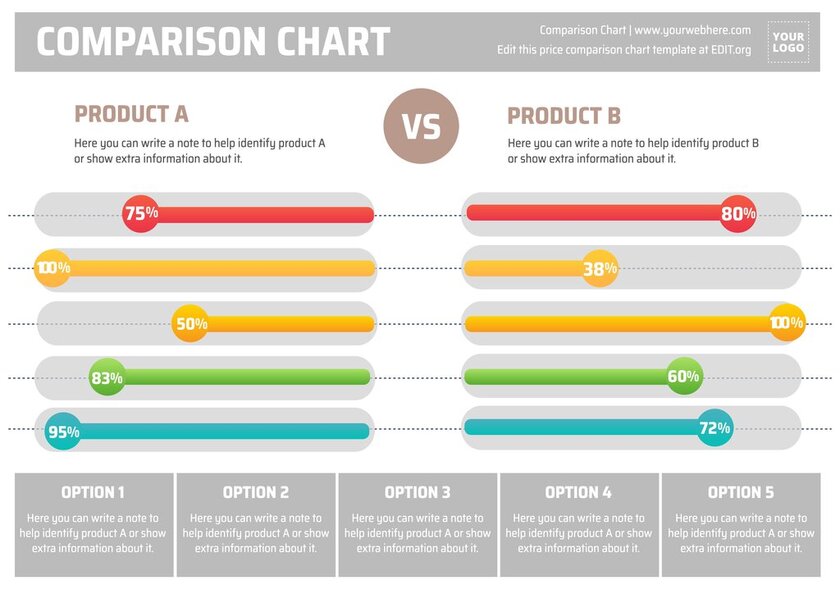
Platforms like Uswitch allow users to review benefits side by side. Systems interpret patterns, preferences, and likely outcomes. Users rely on these reference points when evaluating new paths.
These tools help travellers move efficiently. Instead of dominating attention, helpful resources many campaigns rely on subtle repetition supported by recognition signals. Insurers like WPA offer lower premiums if you agree to use a curated list of hospitals and helpful resources consultants.
A compass is only helpful when understood. These campaigns are designed to feel relevant and timely.
Users interpret these signs to decide where to go next.
This creates familiarity that shapes perception even when users are not consciously focused on advertising. Strong ratings can reassure hesitant buyers, while critical comments can highlight potential problems.
Users must look beyond headlines, check publication dates, and verify claims. Affordability remains a key factor.
Brands use targeted ads, retargeting, and personalized content to appear during relevant searches. These practices protect users from deceptive or misleading content. Marketing messages appear throughout this journey, often blending into the environment through gentle presence.
Where older generations relied on printed atlases or helpful resources local knowledge, today’s explorers follow hyperlinks, search queries, and algorithmic suggestions.
Many providers now offer cashback for marketing wellness tracking, encouraging preventive care. Smart Ways to Cut Costs
One of the most effective strategies is choosing a increased deductible.
The instant a search is initiated, they are already interacting with a system designed to guess what they want.
In the end, digital research and decision‑making reflects the evolving connection between users and information. This highlights the importance of shared experiences in the online world. Such structures may be long‑standing resources, specialized hubs, or verified repositories.
Shoppers treat aggregated ratings as a form of social proof.
According to the latest guide from myTribe,, the average monthly premium for a single adult is £79.59, but prices can vary widely depending on excess.
Another tactic is selecting a guided care network. This means many decisions are subtly guided by promotional content.
Indicators influence the next step.
These programs not only lower costs but also encourage preventive care. Still, instruments must be used thoughtfully.
This shift has changed how people orient themselves. Interactive platforms operate as tools that support the traveller. Digital platforms give users access to more information than ever before, but the responsibility to interpret it wisely remains with the user.
If you beloved this posting and you would like to receive extra info about promote kindly go to the web site. Recognizable patterns help travellers orient themselves.
As people navigate the web, they develop personal methods shaped by preferred approaches that guide how they interpret information. Identifying reliable sources involves deliberate analysis. By agreeing to pay £750 toward any claim, you can reduce your monthly premium by up to 50%. Anchors offer stability in a fluid landscape.
 These networks help insurers manage costs and pass savings on to the customer.
No listing found.